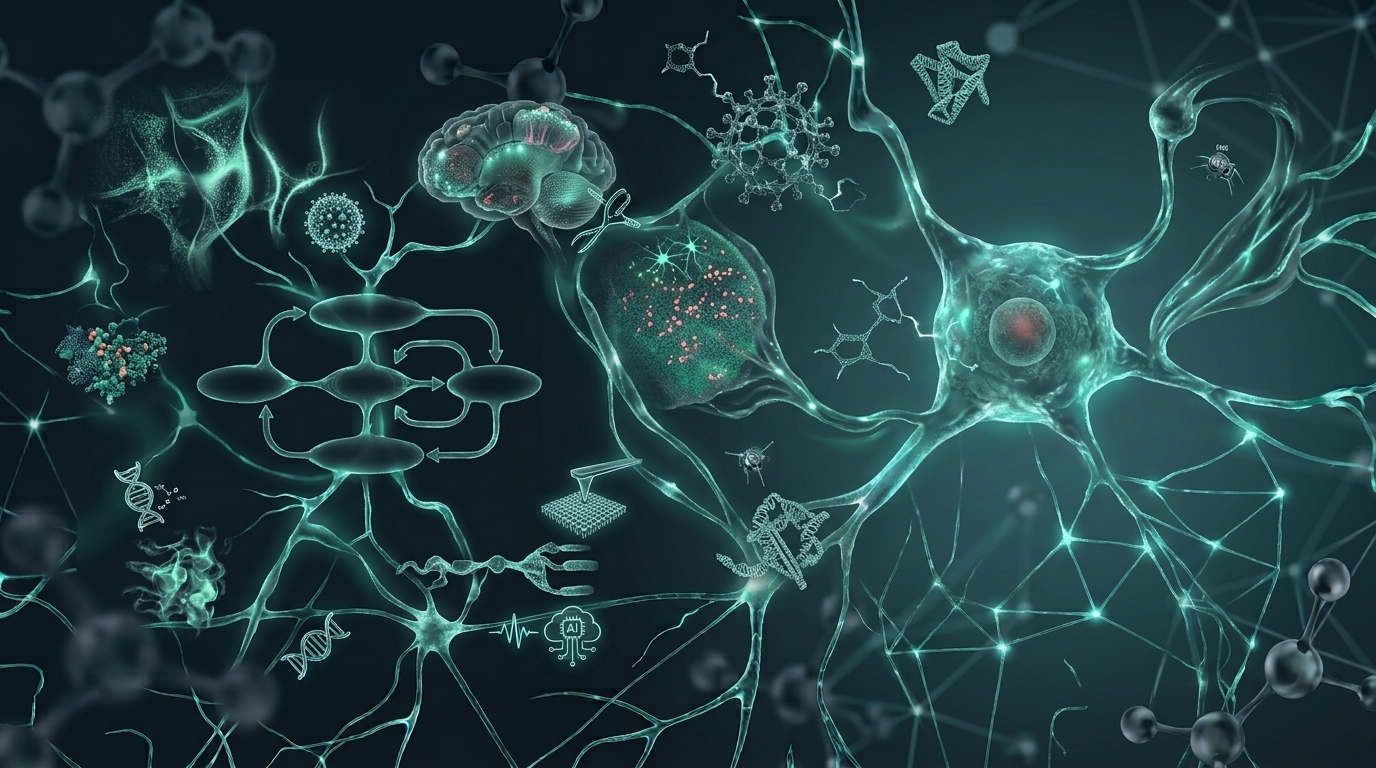


Dive deep into the core methodologies of modern neuroscience. This comprehensive course explores the fundamental principles, applications, advantages, and limitations of brain lesion studies, neural recording and stimulation, neurochemical mapping, and genetic strategies used to uncover the neural basis of behavior.
Programa
- 1 sección
- 5 lecciones
- De por vida
Expandir todas las seccionesPlegar todas las secciones
- Research Methods and Strategies in Neuroscience: Learning Materials & AssessmentComplete learning resources for this course, including the core study guide, video recap, audio podcast, reference bibliography, and final assessment.6

The course is built around an interactive study guide covering research methods in neuroscience, with short knowledge checks and hands-on activities throughout each section, followed by a final 10-question multiple-choice assessment to evaluate your knowledge.
No, all audio and video resources serve as complementary materials to reinforce the core study guide.
The bibliography includes supplementary resources that you can explore independently to expand on specific topics covered in the main guide.
Your micro-accreditation certificate is generated automatically right after you pass the final exam.
Requisitos
- Basic Knowledge of Neuroscience or Physiology: Understanding of basic neuroanatomy (neurons, synapses, brain structures) and general cell biology.
- Fundamental Biology Concepts: Familiarity with basics of genetics (DNA/RNA) and introductory biochemistry is helpful.
Caracteristicas
- Comprehensive Multi-Methodological Approach: In-depth coverage of essential behavioral neuroscience techniques, ranging from experimental ablation and structural neuroimaging (CT, MRI, DTI) to electrophysiology, optogenetics, and targeted genetic engineering (knockouts, antisense oligonucleotides).
- Neural Circuit Tracing & Neurochemistry: Advanced instruction on mapping structural connections (anterograde, retrograde, transneuronal tracing) and identifying neurochemical targets using double labeling, immunocytochemistry, and receptor autoradiography.
- Integrative Research Logic & Case Studies: Practical analysis of multi-method research programs—such as VMH control of female sexual behavior and fetal neural transplants for Parkinsonism—to teach how complementary methods construct solid scientific explanations.
Audiencia objetivo
- Undergraduate & Graduate Students in Neuroscience, Biological Psychology, Biomedical Sciences, or Neurobiology looking for a solid methodological foundation.
- Researchers & Laboratory Technicians transitioning into behavioral neuroscience who need to select or interpret experimental techniques effectively.
- Psychology & Medical Students seeking a rigorous understanding of how brain-behavior relationships are empirically established.
- Academic Professionals & Educators looking for a structured, multi-methodological reference guide to teach brain research methods.